

If you’re supporting a partner, child, or sibling through therapy, you only see part of the picture. You watch them leave for sessions and come home, but you usually don’t sit in the room. So one question keeps circling: is this actually working? And how would I know if it weren’t?
It’s a fair question, and it’s one families rarely feel they can ask out loud. Here’s what good therapy looks like from inside the room, and what you can watch for from where you stand.
Good therapy has a clear direction
In the first few sessions, a good therapist gets to know the person and the problem: what brought them in, what they’re hoping to change, and how it affects them day to day. Within a few weeks, your loved one and their therapist should agree on what they’re working toward.
From the outside, this often looks like your loved one coming home with something to think about or try. A thought to track, a situation to approach differently, a question to sit with. Not every session produces homework, but over time there’s forward motion, not just a re-telling of the same week.
The relationship matters more than the technique
Decades of research on therapy outcomes point to the same finding: the relationship between a person and their therapist matters at least as much as the specific method they use. That relationship has a few recognizable features. The person feels understood. They can say the hard thing, including “I don’t think this is helping.” And they feel challenged without feeling judged.
You can often see this from outside in one simple way: your loved one wants to go. Not because it’s easy, but because it feels like it’s doing something. If the only feeling attached to every session is dread, that’s worth noticing. Some dread before a hard session is normal. Consistent dread is a signal.
Good therapy is uncomfortable in the right way
There’s a popular idea that therapy should feel good. It often doesn’t, and that isn’t a flaw. Good therapy surfaces the things a person has been avoiding, and that can leave them tired or quiet afterward. The difference between productive discomfort and a bad fit is whether it leads somewhere. Discomfort that comes with a growing sense of getting somewhere is different from discomfort that just piles up.
One practical marker: over weeks and months, the original problem should look a little different, even if it isn’t gone. The person might catch a spiral earlier, or handle a situation they would have avoided before. Change in therapy is usually gradual, but it should be visible to someone who’s watching closely.
Signs therapy isn’t working
You don’t need to be in the room to notice a few things. There’s no stated goal after several sessions, and no one has talked about what success would look like. The therapist discourages questions about the approach or the plan. Sessions are routinely rescheduled, shortened, or started late without explanation. And your loved one can’t name anything they’ve learned or tried.
None of these alone proves bad therapy, but together they suggest a process without direction. Good therapists welcome the question “how will we know this is working?” It’s a sign the person is engaged.
Your role is support, not co-therapy
It’s tempting to want to know everything, especially when someone you love is struggling. But confidentiality is part of what makes therapy work. The room has to be a place where they can say anything without it traveling home.
The most useful thing you can do is be curious without being interrogative. Ask questions that leave room: “How did it feel?” rather than “What did you talk about?” Don’t push for details they don’t offer. If they share a goal, ask how you can help with it. And resist the urge to grade the therapist for them unless they ask. Your job is to support their relationship with the work, not run it.
The clearest sign therapy is working
Good therapy doesn’t create a different person. It creates a person who can respond differently to the same hard things. If, over time, you notice your loved one catching themselves earlier, asking for what they need a little more clearly, or sitting with a difficult emotion instead of running from it, that’s the real sign. It’s rarely dramatic. It’s usually quiet, and it builds.
If you’re watching that happen, you’re already doing more than you realize.
Supporting someone through therapy can leave you with questions of your own. Our Resource Specialists can help you understand your loved one’s options, find a new provider if needed, and locate support for yourself as a family member.
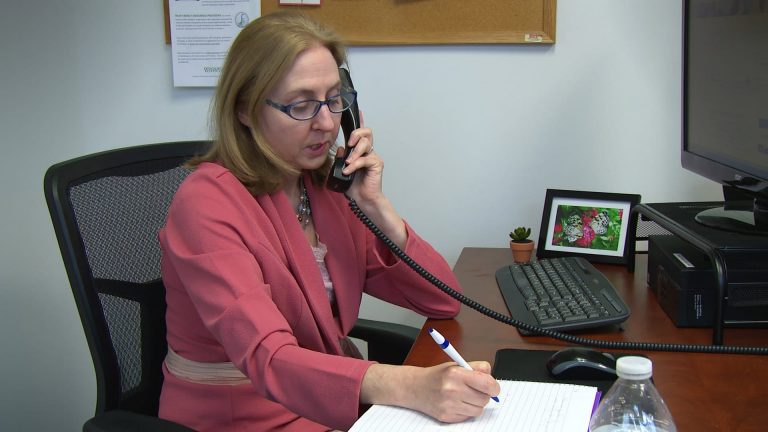
About the Author: Peter Klein is a CBT therapist and the founder of Seek A Psych, a service that helps families find a therapist and understand what good therapy looks like. (https://seekapsych.com/)
Photo by Budgeron Bach: https://www.pexels.com/photo/hispanic-couple-chatting-on-local-urban-bridge-over-asphalt-road-6532644/
The opinions and views expressed in any guest blog post do not necessarily reflect those of www.rtor.org or its sponsor, Laurel House, Inc. The author and www.rtor.org have no affiliations with any products or services mentioned in the article or linked to therein. Guest Authors may have affiliations to products mentioned or linked to in their author bios.
Recommended for You





- When a Loved One Refuses Addiction Treatment: What Families Can Do - October 12, 2026
- How to Support Someone in Therapy: What Families Should Know About the First Month - October 8, 2026
- Why Teen Mental Health Advocacy Matters - October 5, 2026


