
Home is supposed to be a place of peace, safety, and comfort. But a new nationwide study from CopperSmith reveals that for most Americans, home doesn’t automatically equal rest. Instead, clutter, noise, guilt, and endless to-do lists are leaving people restless even in their own living rooms.
For those focused on mental health and wellness, the findings are particularly sobering: only 26% of Americans say they relax at home every day. The study underscores how critical it is to view relaxation not as a luxury but as an essential pillar of mental well-being.
Why Relaxation Is Essential (Not Optional) for Mental Health
Relaxation is more than a moment of “me time.” Research consistently shows that intentional downtime helps regulate stress hormones, supports sleep, and improves mood and concentration. Without it, feelings of burnout, anxiety, and irritability can snowball.
Yet, according to the CopperSmith survey of 1,000 U.S. adults, 42% of respondents said it takes at least 30 minutes after walking in the door to feel relaxed. For Gen Z, the challenge is even greater—only 9% said they could relax immediately. Women reported greater difficulty than men, with 45% needing half an hour or more to unwind, compared with 39% of men.
When your home doesn’t support rest, the mental load of daily life never gets a chance to lift.
What’s Actually Stopping You from Relaxing at Home
Three out of four Americans identified obstacles preventing them from feeling calm at home. The top culprits include:
- Being too busy (45%) — packed schedules leave little space for decompression.
- Clutter or crowded spaces (39%) — mess and lack of order create stress rather than relief.
- Guilt over “doing nothing” (30%) — the cultural push for productivity makes rest feel undeserved.
- Noise and overstimulation (30%) — TVs, traffic, and family chatter can keep the nervous system on high alert.
These barriers speak directly to the link between environment and mental health. If the home has too much noise, clutter, or constant reminders of unfinished tasks, it can amplify stress rather than reduce it.
How Most People Try to Unwind (And Whether It Actually Works)
Interestingly, most people don’t turn to elaborate wellness routines. Instead, they default to simple, accessible activities:
- 51% lie in bed or on the couch, doing nothing—sometimes described as “bed-rotting.”
- 48% watch TV or streaming services.
- 29% scroll on their phones.
- 19% take a bath or shower.
These methods highlight that relaxation doesn’t require expensive fixes—but they also raise questions about effectiveness. While watching TV or scrolling can provide short-term distraction, true relaxation often requires a deeper reset, like calming sensory input, mindfulness, or restorative activities.
The Six “Relaxation Personas”
The CopperSmith study identified six archetypes that represent how Americans approach unwinding:
- Slowdweller (33%) — seeks quiet, unstructured downtime.
- Hushitect (20%) — designs spaces intentionally for calm.
- Soulsoaker (15%) — finds peace in bathing and water rituals.
- Hearthmind (12%) — sees home as an extension of identity.
- Glowmad (10%) — relies on ambiance like lighting or scent.
- Simmercrafter (10%) — embraces relaxation through rituals like cooking.
Understanding these personas can be a valuable tool for mental health. A Slowdweller may benefit from carving out a technology-free reading corner, while a Glowmad might thrive with calming lights and aromatherapy.
What This Means for Your Mental Health
The study makes clear that home design and lifestyle habits aren’t just about aesthetics—they are directly tied to emotional well-being. For people managing anxiety, depression, or chronic stress, a home that feels chaotic can work against therapeutic progress.
Simple changes, like reducing clutter, creating sensory-friendly spaces, and setting boundaries with work and technology, can support healthier coping mechanisms. Even small rituals, such as an intentional evening wind-down, may help signal to the brain that it’s safe to shift from “fight or flight” into “rest and digest.”
Simple Ways to Make Your Home a Stress-Free Zone
The good news? Relaxation doesn’t require a major renovation. Based on the study’s findings, small, intentional choices can make a powerful difference for mental health:
- Declutter regularly to create visual calm and reduce cognitive load.
- Designate a quiet zone free from screens or household tasks.
- Embrace sensory tools like soft lighting, calming music, or aromatherapy.
- Build rituals such as evening tea, journaling, or stretching before bed.
- Reframe rest as necessary, not indulgent—combating the guilt that keeps many Americans from truly unwinding.
For those in recovery or actively managing mental health conditions, these steps can help transform a home from a source of stress into a supportive environment for healing.
The Takeaway: Your Home Should Heal, Not Stress You
The CopperSmith study sheds light on a vital truth: America has a relaxation problem, and it’s affecting mental health. With only a quarter of adults finding daily rest, it’s time to rethink how we use our living spaces and routines.
For anyone navigating stress, mental health challenges, or recovery, home should be the first line of defense—a place that restores rather than drains. By embracing small, meaningful adjustments, Americans can begin to shift their homes from chaos to calm, and in doing so, protect their mental health.
About the Author: Danika Kimball is a freelance writer based in Boise, Idaho. She has been working in the mental health and wellness niche for eleven years now and has been a regular contributor to Resources to Recover. Outside of work, she enjoys playing video games and advocating for individuals to overcome traumas through self-love and support systems.
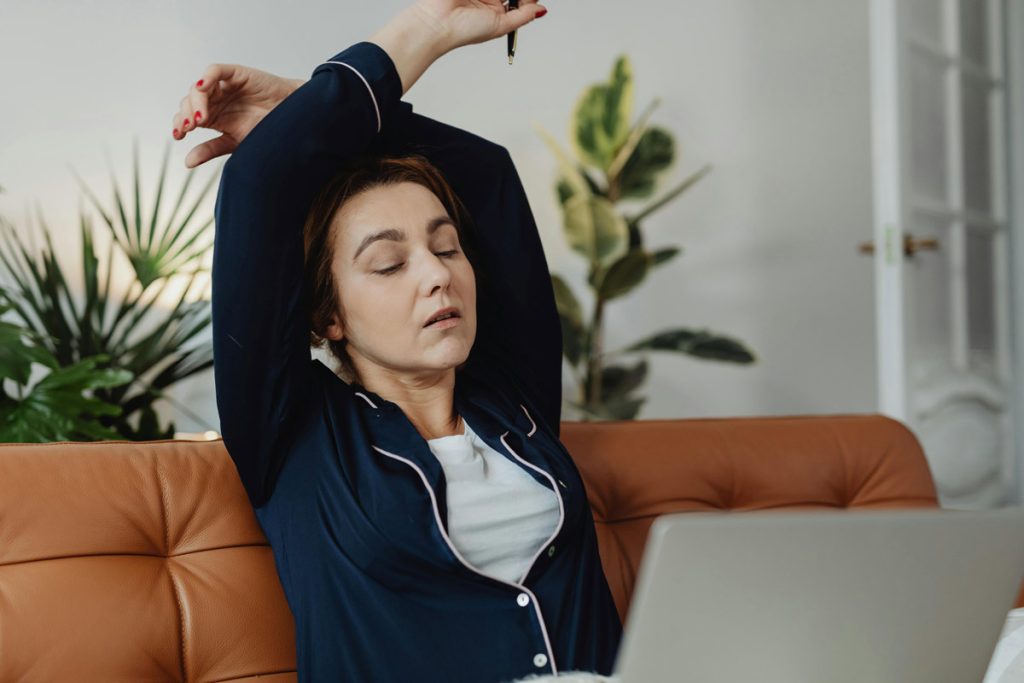
Photo by Karola G: https://www.pexels.com/photo/tired-woman-working-on-laptop-6029161/
The opinions and views expressed in any guest blog post do not necessarily reflect those of www.rtor.org or its sponsor, Laurel House, Inc. The author and www.rtor.org have no affiliations with any products or services mentioned in the article or linked to therein. Guest Authors may have affiliations to products mentioned or linked to in their author bios.
Recommended for You





- What 31 Years Sober Taught Me About Long-Term Recovery (And the Gap Nobody Talks About) - March 30, 2026
- Why People Pleasing Is Not Kindness – How to Set Healthier Boundaries - March 26, 2026
- Loneliness in Introverts: What I Learned Going from Isolated to Connected (and What Finally Helped) - March 23, 2026

