
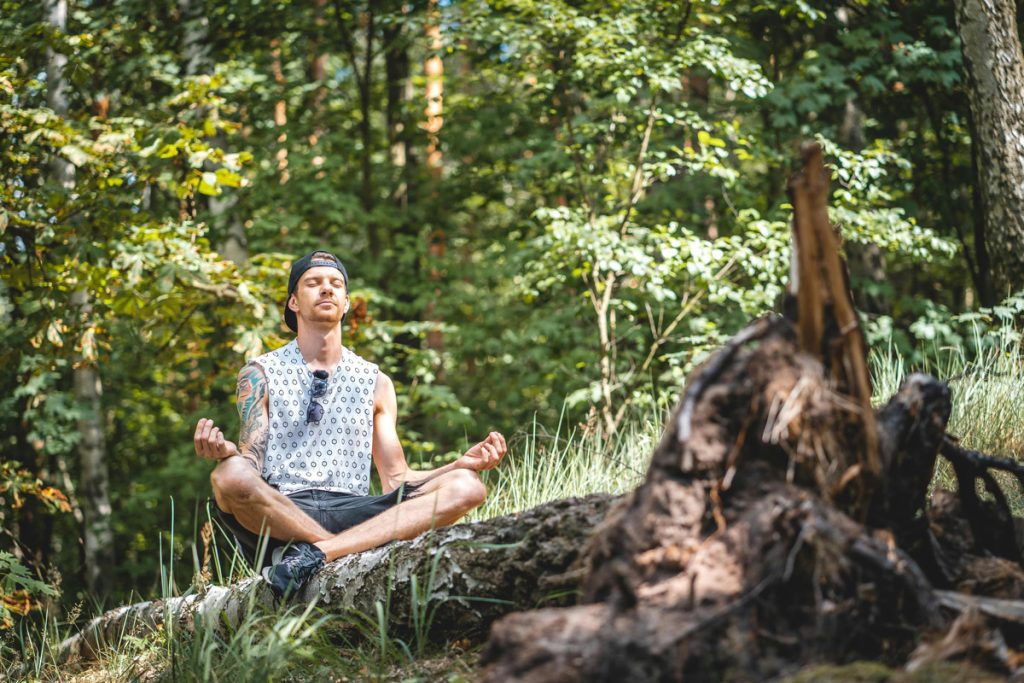
In a world that rarely slows down, healing often requires what daily life denies us: stillness, space, and perspective. For many navigating depression, anxiety, or trauma, the same environment that once felt like home can become a backdrop of triggers and exhaustion. That’s why changing where you heal can be just as transformative as how you heal.
A therapeutic retreat, whether set among the quiet palms of Florida or the peaceful mountains elsewhere, offers something profoundly human: distance from the noise. It’s not just an escape; it’s an intentional pause, a reset of body and mind designed to rebuild balance and self-awareness.
Why Your Environment Shapes Your Mental Health
The environment we inhabit often influences our emotional health more than we realize. Clinical psychologists frequently refer to environmental feedback loops, how our surroundings can reinforce either healthy or harmful patterns. When you live in a space filled with reminders of past stressors or toxic relationships, it can be nearly impossible to move forward.
Changing environments interrupts those loops. A new space provides an emotional clean slate where you can focus on recovery without the visual and emotional triggers that often accompany home or work life. According to the American Psychological Association, this shift can help reduce cortisol levels and promote neurological healing by engaging the brain’s reward and calming centers rather than its threat response systems.
A quiet retreat, then, isn’t just about being away; it’s about being somewhere safe enough to begin again.
What Science Tells Us About Healing Spaces
Research published by the National Institute of Mental Health shows that sustained exposure to high-stress environments can alter brain structures involved in emotional regulation. In contrast, settings that emphasize calmness and connection, natural landscapes, gentle routines, and structured support can help reverse some of these stress-induced changes.
Nature itself plays an essential role. Studies from Stanford University have found that walking in green environments significantly reduces rumination, the repetitive negative thinking often linked to depression and anxiety. The sensory quiet of nature, including birdsong, sunlight, and the rhythm of waves, stimulates the parasympathetic nervous system, helping the body exit a chronic stress state.
These serene environments mirror the essential work of recovery: stepping away from familiar chaos to rediscover inner peace.
What Makes a Mental Health Retreat Different
Healing is rarely a solitary act. Many who seek recovery realize that while self-awareness is crucial, so too are connections to peers, professionals, and purpose. Residential treatment programs create environments designed for this connection. They balance solitude and community, offering structured therapy while encouraging moments of independent reflection.
At many therapeutic retreats for mental health recovery, individuals experience a blend of evidence-based care and restorative surroundings. Licensed therapists and clinicians work alongside wellness practitioners to guide patients through trauma recovery, emotional regulation, and self-compassion. What makes these retreats unique isn’t just the clinical care, it’s the integration of nature, mindfulness, and holistic wellness into every layer of treatment.
For someone in early recovery, that can mean waking up to birdsong instead of city sirens. For another, it may mean guided meditations on the beach or group therapy under open skies. It’s an approach that understands healing isn’t confined to a therapy room; it happens in every mindful breath, every step toward calm.
How Structure Supports Your Recovery
While freedom is essential in recovery, so is structure. Most residential or retreat-based programs offer daily routines that weave together therapy, nutrition, exercise, and rest. This structure gently retrains the mind to associate stability with safety, a critical step for individuals recovering from prolonged stress or trauma.
Simple routines like morning meditation, journaling after therapy, or shared evening reflections help build a rhythm of accountability and peace. Over time, these small habits form a blueprint for living well beyond the retreat walls.
Mindfulness and daily balance can have far-reaching benefits for both emotional well-being and physical health.
Learning to Listen to Yourself Again
Many people fear silence because it reveals what distraction hides. Yet silence can be one of recovery’s most outstanding teachers. In tranquil retreat environments, where digital devices take a back seat, individuals often rediscover their internal dialogue, learning to observe their thoughts rather than being ruled by them.
Mindfulness and meditation sessions, often cornerstones of mental health retreat programs, cultivate this practice of observation. The result isn’t the absence of thought, but clarity, the ability to see emotions as waves rather than storms.
This mental clarity is invaluable in long-term recovery. It helps individuals identify triggers early, respond to stress with awareness, and develop emotional resilience that continues long after leaving the retreat.
Finding Connection and Community in Recovery
Isolation often deepens mental health challenges. That’s why the community aspect of residential programs can be so healing. Shared experiences, group therapy, and peer discussions remind participants that they’re not alone in their journey.
This collective healing fosters empathy and accountability, two of the most powerful tools for sustaining recovery. People learn not only from professionals but from one another, forming bonds that often continue beyond their stay. These connections become the scaffolding for resilience once they return to daily life.
Preparing to Return Home After a Retreat
A crucial part of any residential program is transition planning. Healing in a supportive space is one thing; maintaining that growth back in everyday environments is another. Many mental health retreats incorporate post-care planning, connecting clients with local therapists, support groups, or virtual check-ins to ensure continuity.
This bridge between structured care and independent living is where recovery becomes sustainable. By gradually reintroducing real-world stressors under guided support, individuals are better equipped to manage triggers without regression.
Just as a retreat offers a pause, post-care ensures the story continues, a steady return, not a sudden plunge.
The Role of Spiritual Meaning and Purpose in Healing
While not every mental health retreat is faith-based, many incorporate spiritual elements that encourage self-reflection and meaning-making. For some, this might involve meditation and gratitude journaling; for others, it could be time spent in nature or creative expression.
Spirituality in recovery isn’t about doctrine; it’s about rediscovering a sense of connection to something larger than oneself. This might be a sense of peace, purpose, or compassion that grounds individuals beyond the circumstances that once defined their pain.
Recovery Is a Journey, Not a Finish Line
The greatest misconception about recovery is that it ends when symptoms fade. But as most who’ve walked the path know, recovery isn’t linear; it’s cyclical, continuous, and deeply personal.
A retreat provides the tools to begin, but true healing continues in the choices made after, the daily practices, the boundaries maintained, and the mindfulness cultivated in ordinary life. Change of space sparks change of mind, but it’s consistency that solidifies transformation.
When you step away from the noise, you give yourself permission to listen to your heart, your breath, your story. And in that quiet, healing begins to sound a lot like coming home.
If you or someone you know experiences mental health issues, it is important to seek help from a qualified professional. Our Mental Health Resource Specialists can assist you in finding expert help and support in your community. Contact us now for more information on this free service.


About the Author: Danika Kimball is a freelance writer based in Boise, Idaho. She has been working in the mental health and wellness niche for eleven years now and has been a regular contributor to Resources to Recover. Outside of work, she enjoys playing video games and advocating for individuals to overcome traumas through self-love and support systems.
Photo by Maik Kleinert: https://www.pexels.com/photo/man-meditating-on-a-tree-log-3576284/
The opinions and views expressed in any guest blog post do not necessarily reflect those of www.rtor.org or its sponsor, Laurel House, Inc. The author and www.rtor.org have no affiliations with any products or services mentioned in the article or linked to therein. Guest Authors may have affiliations to products mentioned or linked to in their author bios.
Recommended for You





- Intentional Relationships: How Building the Right Community Supports Your Mental Health - March 19, 2026
- Childhood Mood Swings vs. Mental Health: How to Tell the Difference - March 12, 2026
- How Mental Wellness Strengthens Your Relationships - March 9, 2026

