
I remember waking up after surgery and looking at my mom. There was one question I already knew the answer to, but I had to hear it anyway. “Did they remove one of my testicles?”
She paused for a moment before quietly saying, “Yes.”
I was 19 years old, living in Michigan, and in an instant, life looked nothing like I thought it would. My first thought wasn’t, How am I going to beat cancer? It was much simpler.
Why me?
At 19, I should have been worrying about school, relationships, and what I wanted to do with my future. Instead, I was trying to understand what it meant to lose a part of my body and whether I would ever feel like myself again.
Cancer-Free, But Not Healed
Thankfully, my surgery was successful, and I became cancer-free. Everyone around me celebrated. I celebrated too.
But what I didn’t realize was that surviving cancer and healing from cancer were two completely different things.
Physically, I recovered. Emotionally, I was lost. I questioned my identity. I questioned my future. I wondered if anyone would ever understand what I was feeling. Most of all, I carried anger.
I was angry that cancer had interrupted my life before it had really begun. I was angry that my future suddenly felt uncertain. I was angry with God. Eventually, I walked away from my faith because I couldn’t reconcile my pain with what I believed about Him.
Numbing Instead of Feeling
Instead of processing those emotions, I did what I thought would make them disappear. I drank whatever was available. Beer. Liquor. It didn’t matter.
I partied. I stayed busy. Anything that kept me from sitting alone with my thoughts felt like relief.
Looking back, I wasn’t healing. I was avoiding. From the outside, it looked like I had moved on. Inside, I was carrying pain I didn’t know how to name.
One of the hardest parts of survivorship was that everyone understandably focused on my physical recovery. People asked if I was cancer-free. Almost nobody asked if I was okay. At the time, I probably would have told them I was fine anyway.
I believed struggling meant I was weak. I believed asking for help meant I had failed.
The Turning Point
Years later, another painful chapter arrived when my engagement ended. It forced me to look honestly at the direction my life was heading. For years, I had blamed cancer for the person I had become.
But eventually I realized something difficult: Cancer had changed my life. It didn’t have to define it.
That realization didn’t magically fix everything. It simply gave me a choice. I started replacing unhealthy habits with healthier ones. Instead of drinking to numb my emotions, I committed to fitness. Exercise became more than physical training—it became a daily reminder that growth comes from consistency.
Every workout was a decision to invest in the person I wanted to become rather than remain trapped by the person I thought cancer had made me.
I also found my way back to my Christian faith. Rebuilding that relationship didn’t erase my questions or my pain, but it gave me hope where resentment had lived for years. It reminded me that healing isn’t about pretending the past didn’t happen. It’s about believing your future can still have purpose.
Mental Health After Cancer Deserves Attention Too
Looking back, I’ve learned that mental health deserves just as much attention as physical health. Surviving cancer doesn’t automatically heal anxiety. It doesn’t erase grief. It doesn’t restore confidence overnight.
Healing is a process. For some people, that process includes therapy. For others, it may include cancer support groups, trusted friends, family, faith, or a combination of different resources. The important thing is knowing you don’t have to face it alone.
If there’s one thing I wish someone had told me at 19, it’s this: It’s okay if you’re still struggling after treatment ends. You’re not broken. You’re not failing. You’re healing.
Today, my cancer journey no longer defines me. Instead, it reminds me to have compassion for people fighting battles no one else can see. Nobody told me surviving cancer and healing from cancer were two different things. If someone had, maybe I would have recognized my emotional struggles sooner. Maybe I would have asked for help sooner.
Today, I know healing isn’t measured only by clean scans or successful surgeries. It’s measured by learning to hope again.
And that was the battle I never expected—but the one that changed my life the most.
About the Author: Dan Korte is a testicular cancer survivor, mental health advocate, and founder of Riseabove Apparel, a lifestyle brand dedicated to inspiring resilience through life’s toughest challenges. Through his writing, Dan encourages others to prioritize mental health, embrace personal growth, and believe that their hardest chapter doesn’t have to define their future.
Learn more at https://www.riseabove.org/
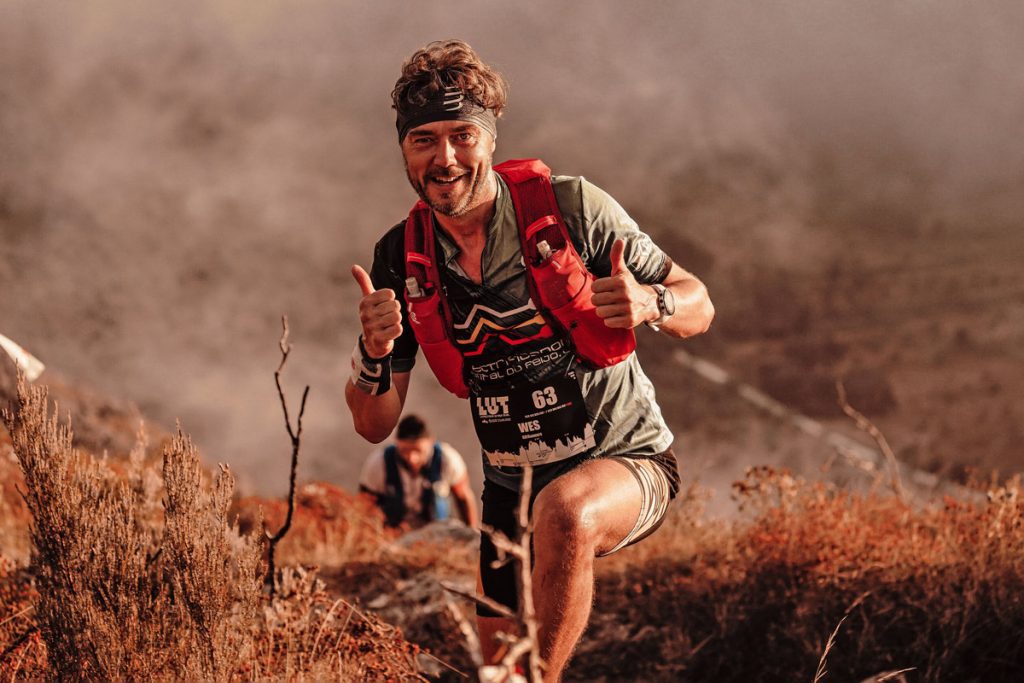
Photo by RUN 4 FFWPU : https://www.pexels.com/photo/man-hiking-in-sports-clothing-13158585/
The opinions and views expressed in any guest blog post do not necessarily reflect those of www.rtor.org or its sponsor, Laurel House, Inc. The author and www.rtor.org have no affiliations with any products or services mentioned in the article or linked to therein. Guest Authors may have affiliations to products mentioned or linked to in their author bios.
Recommended for You





- When a Loved One Refuses Addiction Treatment: What Families Can Do - October 12, 2026
- How to Support Someone in Therapy: What Families Should Know About the First Month - October 8, 2026
- Why Teen Mental Health Advocacy Matters - October 5, 2026


