
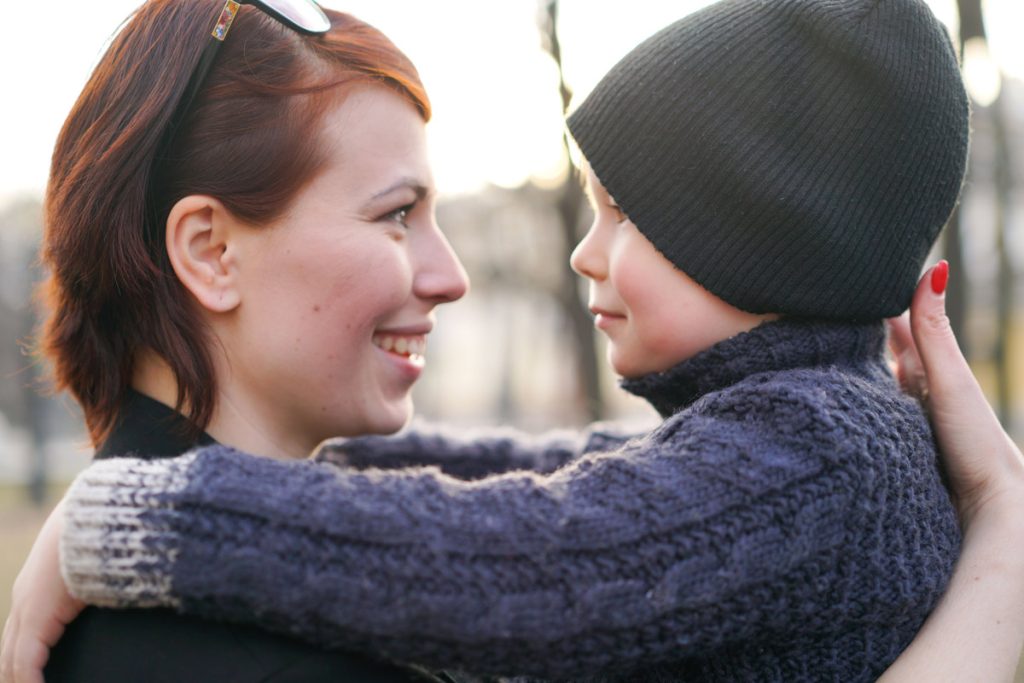
There is a kind of exhaustion that has no name. It is not the tiredness that sleep fixes. It is not the stress that a vacation cures. It is something deeper — a bone-level weariness that lives in the parents of children with autism, quietly taking up residence in the heart, long before anyone ever thinks to ask how they are doing.
If you are raising a child on the autism spectrum, you already know this feeling. You know the 2 a.m. meltdowns that leave the whole house trembling. You know the grief that sneaks up on you at a birthday party when you watch other children play effortlessly together. You know the guilt — the relentless, irrational guilt — that whispers you are not doing enough, not patient enough, not strong enough.
This article is for you. Not for your child’s diagnosis. For you.
The Grief Nobody Talks About
When a child is diagnosed with autism, the world focuses almost entirely on the child — therapies, interventions, school plans, and specialists. That focus is necessary and right. But somewhere in all of that urgency, the parent gets left behind.
Many parents experience what mental health professionals call ambiguous loss — a grief that is complicated because there is no clear ending, no funeral, no casserole dropped off at the door. You are grieving a future you had imagined, while simultaneously loving the child who is right in front of you, completely and without reservation. Both things are true at once, and the tension between them can feel like it is splitting you in two.
This grief is not a betrayal of your child. It is not weakness. It is a deeply human response to a life that asked more of you than you ever thought you would be asked to give.
When Caregiving Becomes a Crisis: Understanding Autism Parent Burnout
Research consistently shows that parents of children with autism experience significantly higher rates of depression, anxiety, and stress than parents of neurotypical children or even parents of children with other developmental disabilities. A study published in the Journal of Autism and Developmental Disorders found that mothers of children with autism showed physiological stress patterns comparable to those seen in combat soldiers, Holocaust survivors, and individuals with PTSD.
Let that sink in for a moment. The love is immense. The commitment is absolute. And still — the toll is real.
Many parents also experience what is known as caregiver burnout — a state of physical, emotional, and mental exhaustion that develops when the needs of caregiving consistently outpace the resources available to the caregiver. Signs include chronic fatigue, emotional numbness, increasing resentment, social withdrawal, and a frightening feeling of hopelessness that colors even good days gray.
If you recognize yourself in these words, please hear this: you are not broken. You are overwhelmed. There is a difference, and it matters enormously.
The Weight of Isolation
One of the loneliest aspects of parenting a child with autism is the way it quietly dismantles your social world. You stop accepting dinner invitations because you never know how the evening will go. You drift from friends whose children are reaching milestones yours may not reach on the same timeline. You smile through conversations where other parents complain about ordinary parenting struggles, and you ache because ordinary sounds impossibly wonderful right now.
Marriages and partnerships are also strained under this weight. When two people are both running on empty, tenderness is hard to find. Communication breaks down. The relationship shifts from partnership to co-management of a household in crisis, and the emotional intimacy that once held everything together slowly fades into the background.
You do not have to be in this alone — even when it feels that way.
What Healing Can Look Like
Healing does not mean leaving your child’s side. It does not mean loving them less or fighting less fiercely for them. It means acknowledging that your mental health is not a luxury — it is the foundation on which your child’s care is built.
Here are some meaningful steps that can make a real difference:
Seek therapy and parent training without guilt. Individual therapy with a counselor experienced in caregiver stress can offer a rare space where you do not have to be strong. Programs like BALANCE — Parent Skills Development are specifically designed to equip parents of children with autism with real, practical tools while also honoring the emotional weight they carry every single day.
Find your people. Parent support groups — both in-person and online — provide community with people who truly understand. There is something profoundly healing about saying “this is what happened last night” and being met with “yes, I know exactly what you mean” instead of polite, well-meaning silence. Dedicated parent support resources can help you find that community so you no longer have to carry this alone.
Ask for respite — and take it. Many families qualify for respite care services through state programs or nonprofit organizations. An afternoon away from caregiving is not abandonment. It is maintenance. Your child needs you rested, not depleted.
Talk to your doctor. If you are experiencing persistent sadness, panic, inability to sleep, or thoughts of harming yourself, please reach out to a medical professional. These are symptoms, not character flaws, and they respond to treatment.
Practice radical self-compassion. You will lose your patience. You will cry in parking lots. You will say the wrong thing and lie awake regretting it. This does not make you a bad parent. Approaches like AIM (Accept. Identify. Move.) are built on exactly this philosophy — teaching families to acknowledge what is hard, identify what they need, and take the next small step forward with kindness toward themselves.
You Deserve Care Too
The world tells parents of children with special needs to be warriors. To be tireless advocates. To be endlessly patient, endlessly creative, endlessly strong. And many of you are all of those things — not because it comes naturally, but because your love is that deep.
But warriors need rest. Advocates need advocates. The strongest people you know are the ones who learned, somewhere along the way, to reach out a hand and say: “I need help too.”
If you are struggling, please know that mental health support exists specifically for parents like you — parents who have given everything and now need someone to fill their cup back up. Reaching out is not giving up on your child. It is one of the most important things you can do for your child.
You matter. Not just as a caregiver. As a person. And your mental health matters too.
Need Support for Yourself, Not Just Your Child?
You deserve support too. A Resource Specialist at rtor.org can help you find therapists who specialize in caregiver stress, parent support groups, and respite care — free, no diagnosis or crisis required.
About the Author: This post is contributed by ABA Steps LLC, a provider of Applied Behavior Analysis (ABA) therapy and behavioral support services dedicated to helping children with autism thrive — and to supporting the families who love them. Based in Kailua, Hawaii, and serving families across Oʻahu, ABA Steps offers evidence-based services including early intervention ABA therapy, parent training, sleep programs, and more. Visit www.abastepsllc.com to learn more.
Photo by ArtHouse Studio: https://www.pexels.com/photo/mother-carrying-son-in-arms-and-smiling-4589461/
The opinions and views expressed in any guest blog post do not necessarily reflect those of www.rtor.org or its sponsor, Laurel House, Inc. The author and www.rtor.org have no affiliations with any products or services mentioned in the article or linked to therein. Guest Authors may have affiliations to products mentioned or linked to in their author bios.
Recommended for You





- When Your Partner Is Struggling With Mental Health: How to Stay a Couple - September 28, 2026
- College Doesn’t Cause Mental Health Problems – It Exposes Them - September 24, 2026
- Molly vs. Ecstasy: What the Difference Really Means for Your Health and Safety - September 21, 2026


