
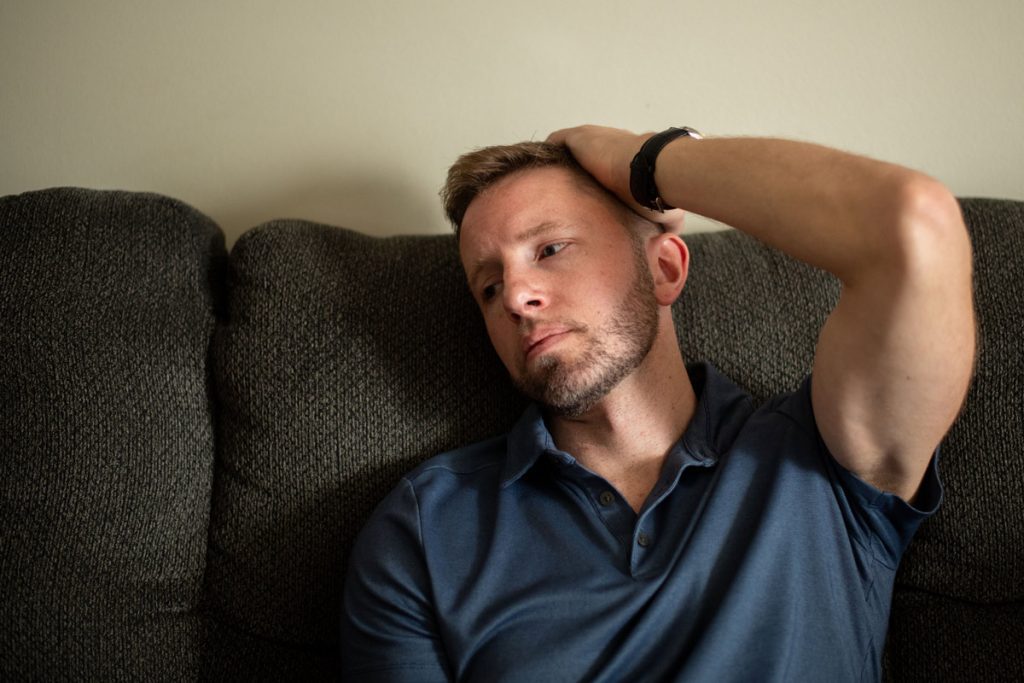
When your loved one struggles with trauma and substance use, finding treatment is your main priority. The effects of trauma, a deeply distressing or frightening experience, can deepen substance use, while substance use intensifies distress. You may feel unsure where to begin. Research supports care that treats trauma and substance use at the same time. Understanding the options can help you compare programs by asking the right questions about therapy, medical care, and where treatment happens.
Understanding Co-Occurring Disorders: How PTSD and Addiction Connect
Understanding the connection helps you compare care. Post-traumatic stress disorder (PTSD) involves lasting distress after trauma. Substance use disorder (SUD) involves substance use that becomes difficult to control despite harm. Alcohol use disorder (AUD) is one type of SUD. The terms co-occurring disorders and dual diagnosis describe having both conditions.
For veterans living with both conditions, alcohol or drugs may temporarily numb nightmares, anxiety, and painful memories. That relief may last only briefly without addressing the underlying trauma. Treating one condition leaves the other unaddressed, potentially contributing to relapse and a return to substance use. Studies now show which approaches help most.
What the Research Says About Integrated Treatment
Research can help you identify integrated treatment, meaning coordinated care for both conditions. Researchers combined data from 4,046 people across 36 trials. Pairing trauma-focused therapy, which addresses traumatic memories and beliefs, with SUD medication produced the largest improvements in PTSD severity and alcohol use severity compared with standard care. Other trauma-focused approaches also showed benefits.
According to Antonio Morgan-Lopez, Ph.D., a fellow at RTI International and its lead researcher on the paper, the findings revealed “previously unknown synergies” between these therapies and medications targeting alcohol and drug use. Therapy addresses trauma while medication may help manage cravings and drinking. Look for both under one treatment plan, then ask which therapies your loved one would receive.
Trauma-Focused Therapies for PTSD and Substance Use
You can compare therapies by what they ask of your loved one. In cognitive processing therapy (CPT), a therapist helps them question beliefs the trauma left behind, such as guilt or self-blame. Prolonged exposure (PE) works gradually, guiding them step by step toward memories and situations they’ve been avoiding. Eye movement desensitization and reprocessing (EMDR) involves recalling the trauma while following guided eye movements. One integrated approach (Concurrent treatment of PTSD and substance use disorders using prolonged exposure, or COPE) pairs prolonged exposure with relapse prevention, treating both conditions in a single program.
Experts note that untreated mental health problems can prompt using alcohol or drugs for relief. When comparing PTSD substance use treatment, ask how the program addresses both.
“The most effective treatment programs address PTSD and alcohol addiction as a dual diagnosis,” says Vicky Magobet, board-certified psychiatric mental health nurse practitioner and founder at Diamond House Detox. She explains that effective treatment addresses the root causes of trauma and helps people find ways to cope besides alcohol, with plans that may include detox, therapy, and medication.
Ask about specific therapies and your loved one’s needs, rather than relying on the dual-diagnosis label. Treatment options also depend on the level of care.
Levels of Care in Veteran Addiction Treatment
Veteran addiction treatment should match your loved one’s support needs. Ask which level fits the assessment.
From Medical Detox to Residential and Outpatient Care
Medical detox supervises withdrawal, the symptoms following reduced or stopped substance use. Residential care offers live-in support around the clock. A partial hospitalization program provides full-day weekday treatment while clients live elsewhere. An intensive outpatient program offers several weekly sessions around daily responsibilities.
Medication often plays a central role when both conditions need treatment. Medical providers may manage withdrawal symptoms and adjust prescriptions as they assess how your loved one responds. “With a co-occurring disorder, getting the right medication can be instrumental in treating addiction,” explains the team at Diamond House Detox. “A good detoxification program can tailor a medication plan to every individual’s needs.” Ask each program how its providers coordinate medication for both conditions. The residential setting deserves attention, too.
Matching the Treatment Setting to Your Loved One
Consider whether your loved one prefers quiet or frequent peer interaction. Ask how the environment supports that preference.
Residential programs vary in size and atmosphere. Larger homes may offer more shared spaces, group activities, and peer interaction, which can help some people build connections with others in recovery. Smaller homes tend to feel quieter and more private, which may suit someone who finds crowds or noise stressful.
Whatever the size, the core services should stay consistent. Ask about the client-to-counselor ratio, daily structure, meals, and aftercare planning. Confirm whether the setting provides medical or nonmedical detox, since nonmedical programs offer supportive care rather than medical withdrawal treatment. Ask how each setting matches your loved one’s medical and social needs.
Questions to Ask a Treatment Program
Ask each program about the following features:
- Integrated care: Does one team address both conditions?
- Trauma-focused therapy: Are CPT, PE, EMDR, or COPE available?
- Medical supervision: Can providers oversee withdrawal and adjust medications?
- Individualized planning: Does care change with your loved one’s progress?
- Continuity after discharge: Is there a plan for less intensive care and ongoing support?
Research found trauma-focused therapy’s advantage over standard care for alcohol use was stronger for veterans than civilians in the analyzed trials. Recovery takes time. Ask how the program supports your loved one after discharge.
Next Steps for Veterans and Their Families
You can focus your search on care that addresses PTSD and substance use together through therapy and medical support. Your loved one’s needs should guide the plan and setting. Talk with a treatment provider about your loved one’s needs, available support, and a practical next step toward recovery.
Frequently Asked Questions
Your costs depend on treatment intensity, duration, and coverage. Request an estimate of covered services and out-of-pocket expenses so you can compare programs using the same information.
Coverage depends on your plan or benefit. Contact the insurer or Department of Veterans Affairs and the program before admission to confirm which services your loved one’s coverage includes.
Start veteran addiction treatment planning with a professional assessment. Then check coverage and contact programs addressing both conditions, using the assessment to guide your questions about appropriate care.
You can’t force an adult into treatment, but you still have more influence than you might think. Staying connected, setting clear boundaries, and choosing calm moments to talk can help encourage your loved one to consider care. Learn more about what families can do when a loved one refuses addiction treatment. Counseling or a family support group can also help you cope in the meantime.
Not necessarily. As the research above suggests, treating PTSD and substance use at the same time can lead to better results than waiting to address trauma until after sobriety. Ask each program whether it treats both conditions together and how it supports safety if your loved one is still drinking or using.
Your loved one may receive detox if needed, assessment of both conditions, and initial therapy. Ask how the team prioritizes safety, builds trust, and explains the initial treatment plan.
Looking for treatment that addresses both PTSD and substance use? Our Resource Specialists can help you find programs that treat co-occurring disorders, understand levels of care, and prepare questions to ask before your loved one is admitted.

About the Author: Mia Barnes is a health and wellness writer with an interest in mental well-being and growth. She is also the Editor-in-Chief of Body+Mind.
Photo by Andrew Patrick Photo: https://www.pexels.com/photo/thoughtful-man-sitting-on-a-couch-indoors-40673259/
The opinions and views expressed in any guest blog post do not necessarily reflect those of www.rtor.org or its sponsor, Laurel House, Inc. The author and www.rtor.org have no affiliations with any products or services mentioned in the article or linked to therein. Guest Authors may have affiliations to products mentioned or linked to in their author bios.
Recommended for You





- When the Kid Who’s Doing Fine Isn’t: Anxiety in High-Achieving Teens - November 9, 2026
- PTSD and Addiction Treatment for Veterans: What Families Should Know - November 6, 2026
- When Burnout Looks Like Laziness: What Families Miss in a High-Achieving Young Adult - November 5, 2026


