
Remember when your partner’s texts made your heart race? Now they’re more likely to say, “Can you grab milk on the way home?” The transformation from love notes to grocery lists is universal, and it raises a crucial question: Is it the grand romantic gestures or the daily habits that actually keep love alive?
Why Romantic Gestures Matter in Long-Term Relationships
Romance encompasses surprises, novel date nights, spontaneous affection, and those declarations that remind your partner they are cherished. When partners create opportunities for new experiences and personal growth together, relationship and sexual satisfaction increase significantly. Couples who engage in exciting activities together experience more pleasure and arousal, and become less vulnerable to outside temptations.
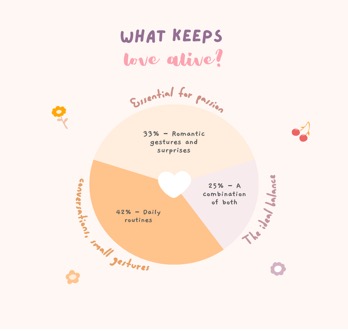
A 2007 study on relationship rituals found that couples who maintained regular shared traditions reported higher relationship satisfaction and intimacy. These predictable patterns give partners a sense of shared past, present, and future, fostering trust and smoother daily interactions. The nightly ten-minute check-in, the Saturday morning coffee ritual, and the reliable “How was your day?” conversation all function as what clinicians call emotional capital. Each small deposit of attention strengthens the relationship over time.
How Daily Routines Build Relationship Stability
Routine includes the unglamorous parts of life together: bedtime rituals, the nightly check-in after work, and managing household tasks. Yet these simple activities can carry surprising emotional weight. Couples therapist Matthew Snyder, LMFT, and Clinical Director at Journey Hillside Tarzana, explains that these small rituals are the daily glue that holds relationships together. “They act as an emotional anchor in couples’ lives,” he says. “Partner rituals, no matter how simple, reduce stress, build trust, and create a rhythm of connection that fosters long-term bond security.”
These repeated gestures offer emotional protection. Relationships that thrive have found ways to embed. A couple might have a regular Friday date night, which gives them structure. Each week, the person who picks the activity would switch places, which would add an element of surprise and growth.
Even the most loving routines can lose their magic when you’re on autopilot. When intention fades, couples can slip into roommate mode, coexisting efficiently but emotionally worlds apart.
Finding the Sweet Spot: A Balance Between Romance and Routine
In relationship psychology, stability and novelty are complementary ingredients of lasting intimacy. Kosta Condous, LMFT and Co-Founder of Higher Purpose Recovery, explains that couples who thrive tend to integrate both. “The relationships that thrive have found ways to embed moments of novelty within their reliable patterns,” he observes. “A couple might have a standing Friday date night, which provides the structure, and then rotate who chooses the activity each week, which adds the element of surprise and growth.”
The self-expansion model in relationship psychology demonstrates why this combination works. Partners who experience new things together maintain desire and connection over time. Adding a note to a lunch, choosing a different route on an evening walk, or planning an unexpected weekend adventure all provide psychological benefits without requiring dramatic lifestyle changes.
Calendar-blocked date nights work because they combine both principles. The reliability ensures romantic time actually happens rather than getting crowded out by life’s demands. The content of those dates can vary, offering novelty within a predictable framework.
How to Maintain Love: Practical Ways to Blend Romance and Routine
Small adjustments can shift the balance between stability and excitement. Turn routine tasks into shared experiences by cooking together with a favorite playlist, or create a weekly 15-minute check-in to stay connected on what matters. These practices maintain connection while handling the practical realities of shared life.
Rotate responsibility for planning something unexpected once a month. One partner might arrange a picnic in a new park, while the next month the other books tickets to a show. The structure ensures novelty happens regularly rather than waiting for inspiration to strike spontaneously.
Notice where your relationship currently leans. Excessive predictability can lead to emotional distance, while too much spontaneity can be exhausting. The couples who maintain both passion and security have learned to weave romance into their routines and build reliable patterns that protect time for growth and discovery together.
About the Authors:
Dr. Konstantin Lukin, PhD, is a Licensed Clinical Psychologist and Founder of the Lukin Center for Psychotherapy. He specializes in anxiety, depression, and emotional regulation, integrating cognitive-behavioral and psychodynamic approaches. His work helps clients build resilience and insight by addressing how early experiences shape emotional health.
Kosta Condous, LMFT, is a Licensed Marriage and Family Therapist and Co-Founder of Higher Purpose Recovery. With extensive experience across inpatient and outpatient settings, he specializes in addiction, mental health, and co-occurring disorders. Kosta brings a leadership philosophy rooted in collaboration and creativity to elevate the standard of client care.
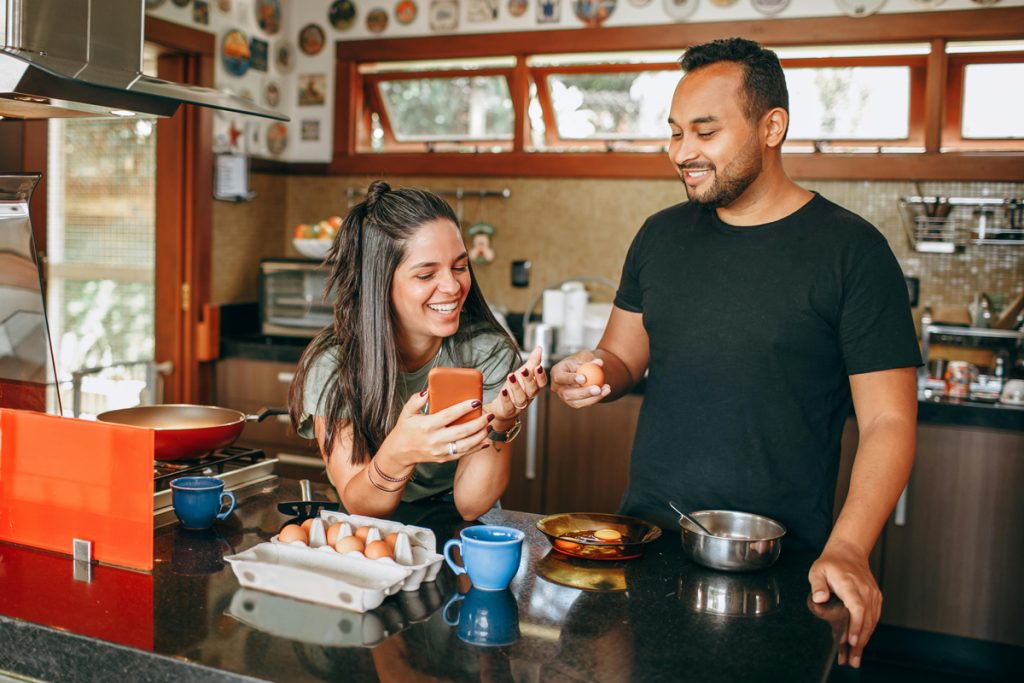
Photo by Helena Lopes: https://www.pexels.com/photo/smiling-couple-preparing-food-27177950/
The opinions and views expressed in any guest blog post do not necessarily reflect those of www.rtor.org or its sponsor, Laurel House, Inc. The author and www.rtor.org have no affiliations with any products or services mentioned in the article or linked to therein. Guest Authors may have affiliations to products mentioned or linked to in their author bios.
Recommended for You





- Childhood Mood Swings vs. Mental Health: How to Tell the Difference - March 12, 2026
- How Mental Wellness Strengthens Your Relationships - March 9, 2026
- Mental Health Medications: What Your Doctor Considers When Prescribing - March 5, 2026

