

As an eating disorder therapist, I began my career focused exclusively on helping clients recover from disordered eating. Over time, I noticed a pattern: more and more clients were coming in with both an eating disorder and OCD (obsessive-compulsive disorder). That overlap prompted me to seek specialized clinical training in OCD treatment — and what I learned changed how I approach both conditions.
Like many people, I came in with misconceptions about OCD. But the more I learned, the clearer it became: eating disorders and OCD share far more in common than most people — and many clinicians — realize.
Obsessive-compulsive disorder is characterized by intrusive, unwanted thoughts and urges, followed by compulsive behaviors meant to reduce anxiety or prevent feared outcomes. Eating disorders work in a similar way — but with a specific focus. In OCD, the term ‘theme’ refers to the subject matter of a person’s obsessions. With an eating disorder, that theme typically centers on food, weight, and body image.
For example, someone may experience obsessive thoughts about weight gain, health, or food. In response, they may engage in compulsive behaviors such as restricting food, rigidly controlling meals, avoiding certain foods, bingeing, or or following rigid rules around exercise. While these behaviors may temporarily reduce anxiety, they ultimately strengthen the eating disorder.
When an Eating Disorder and OCD Overlap: Signs and Support
OCD is often misunderstood as involving only handwashing or contamination fears. While those themes certainly exist, OCD can show up in many different ways. It can involve intrusive thoughts such as “what if I harm my loved ones,” followed by mental or behavioral compulsions aimed at neutralizing that fear. It can also take the form of relationship OCD, with recurring thoughts like ‘What if I’m in the wrong relationship?’ or ‘What if I don’t really love my partner?’ I share these examples to highlight that OCD has many possible themes, all driven by doubt and anxiety.
When OCD intersects with eating disorders, the themes often center on food, weight, health, morality, or a need to control eating, the body, or daily routines. Signs of an eating disorder and OCD overlap include:
- Obsessive calorie counting, with intense anxiety when numbers are unknown
- Rigid food rules that must be followed perfectly
- Intrusive thoughts about being a bad or irresponsible person for eating certain foods
- Unreasonable fear of food contamination
- Fear that eating in a certain way will cause harm to a loved one
- Compulsive body checking and reassurance-seeking about weight or appearance
Additionally, some people have an eating disorder and an OCD theme that has nothing to do with food, weight, or exercise. For instance, someone might be struggling with bulimia alongside relationship OCD — obsessing over whether they truly love their partner and repeatedly comparing their feelings toward their partner with those for an ex, searching for reassurance that the relationship is ‘right.’
Living With an Eating Disorder and OCD is Exhausting
Some of the symptoms of living with an eating disorder and ocd may include:
- Constantly thinking about food and your body
- Counting calories or macros
- An intense fear of weight gain
- Hating what you see when you look in the mirror
- Episodes of binge eating and/or purging
- Guilt or shame when rigid food rules are broken
- Fear of eating out at restaurants
- Fear of eating what someone else is cooking
- Obsessive thoughts unrelated to food or body image, such as fear of harming someone, doubting a relationship, or fear of contamination
- Compulsive behaviors aimed at relieving those thoughts, such as avoiding certain situations, seeking reassurance, or repeating actions until they feel ‘right.’
Getting Help for an Eating Disorder and OCD
If you think you might be struggling with an eating disorder, OCD, or both, it is essential to seek a comprehensive evaluation from a therapist who understands these overlaps.
Recovery is possible, even if your thoughts feel relentless right now. With the right support, it is possible to loosen the grip of both the eating disorder and OCD and move toward a life that extends well beyond food, body image, and fear.
Recovery Is Possible
Living with both an eating disorder and OCD can feel relentless. Many people describe feeling trapped in their own minds, exhausted by constant thoughts, rules, and urges, and afraid that this is just how life will always feel. But it doesn’t have to be. Recovery is possible, even when both conditions are present.
If you or someone you know is struggling with an eating disorder, OCD, or both, finding a therapist with the right expertise can feel daunting. Our Resource Specialists are here to help. We’ll listen to your situation and connect you with treatment providers who understand the overlap between these conditions.
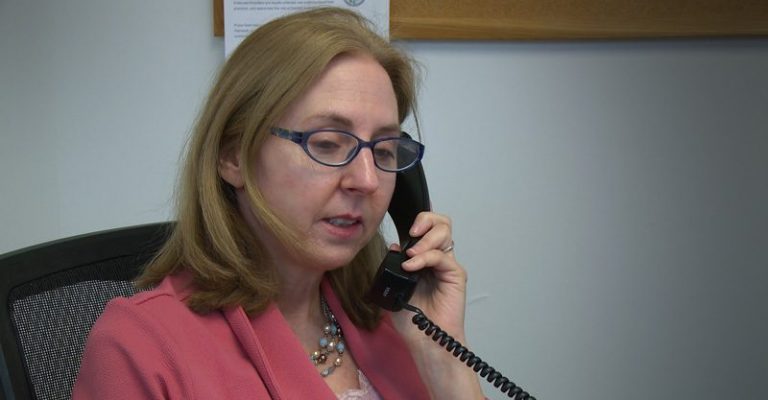


About the Author: Jennifer Rollin, MSW, LCSW-C, is an award-winning eating disorder therapist and the founder of The Eating Disorder Center, a specialized therapy practice based in Rockville, Maryland, for eating disorders and body image concerns. Jennifer is recognized as a leading eating disorder expert. She is the recipient of the Best of Bethesda Award for Best Individual Therapist (2025) and the Best of Rockville Award (2020–2024). She helps clients to live full, meaningful lives, beyond food and body image concerns. Reach out here.
Photo by Engin Akyurt: https://www.pexels.com/photo/woman-in-black-jacket-3209136/
The opinions and views expressed in any guest blog post do not necessarily reflect those of www.rtor.org or its sponsor, Laurel House, Inc. The author and www.rtor.org have no affiliations with any products or services mentioned in the article or linked to therein. Guest Authors may have affiliations to products mentioned or linked to in their author bios.
Recommended for You





- What 31 Years Sober Taught Me About Long-Term Recovery (And the Gap Nobody Talks About) - March 30, 2026
- Why People Pleasing Is Not Kindness – How to Set Healthier Boundaries - March 26, 2026
- Loneliness in Introverts: What I Learned Going from Isolated to Connected (and What Finally Helped) - March 23, 2026

